7. Juli 2026

Central heating plant maintenance: a guide for high-performance heating systems

Water quality, filtration, pressure control and safety: the preventive checks that help installers, plumbers and distributors prepare heating systems for the next heating season.

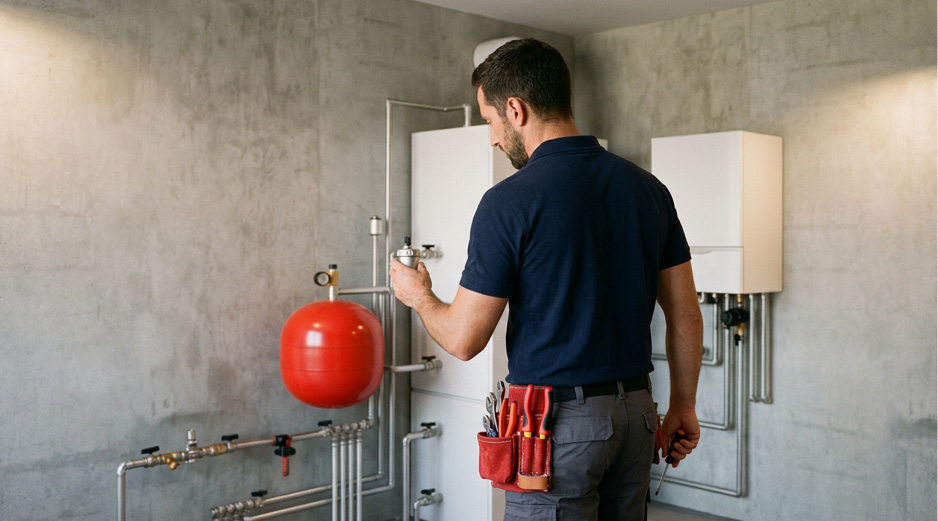
Summer maintenance of a central heating plant is a strategic activity that helps improve efficiency, reliability and long-term system performance.

During periods of reduced operation, installers and maintenance professionals have the opportunity to inspect key components and schedule any necessary interventions before winter demand reaches its peak.

To ensure consistent performance over time, every component within the heating system must operate under the correct conditions. Controlled pressure, clean water, protected circuits and proper fluid management all play a crucial role in system efficiency and durability.

Many of the issues that arise during winter do not originate during the cold season itself. Circulation problems, pressure fluctuations and the gradual accumulation of impurities often develop over time and only become evident when the system is required to operate at full capacity.

For this reason, summer is the ideal time to perform inspections and preventive maintenance on the central heating plant. Addressing potential issues during periods of lower demand helps prepare the system for the heating season, reducing the risk of unexpected failures and ensuring optimal operating conditions from the first start-up.

But which checks should be prioritised during central heating plant maintenance? From water quality and filtration to pressure regulation and safety devices, let’s take a look at the key aspects to monitor and the Itap solutions that can support installers, HVAC professionals and distributors in selecting the most suitable components.

Manutenzione centrale termica - immagine 1

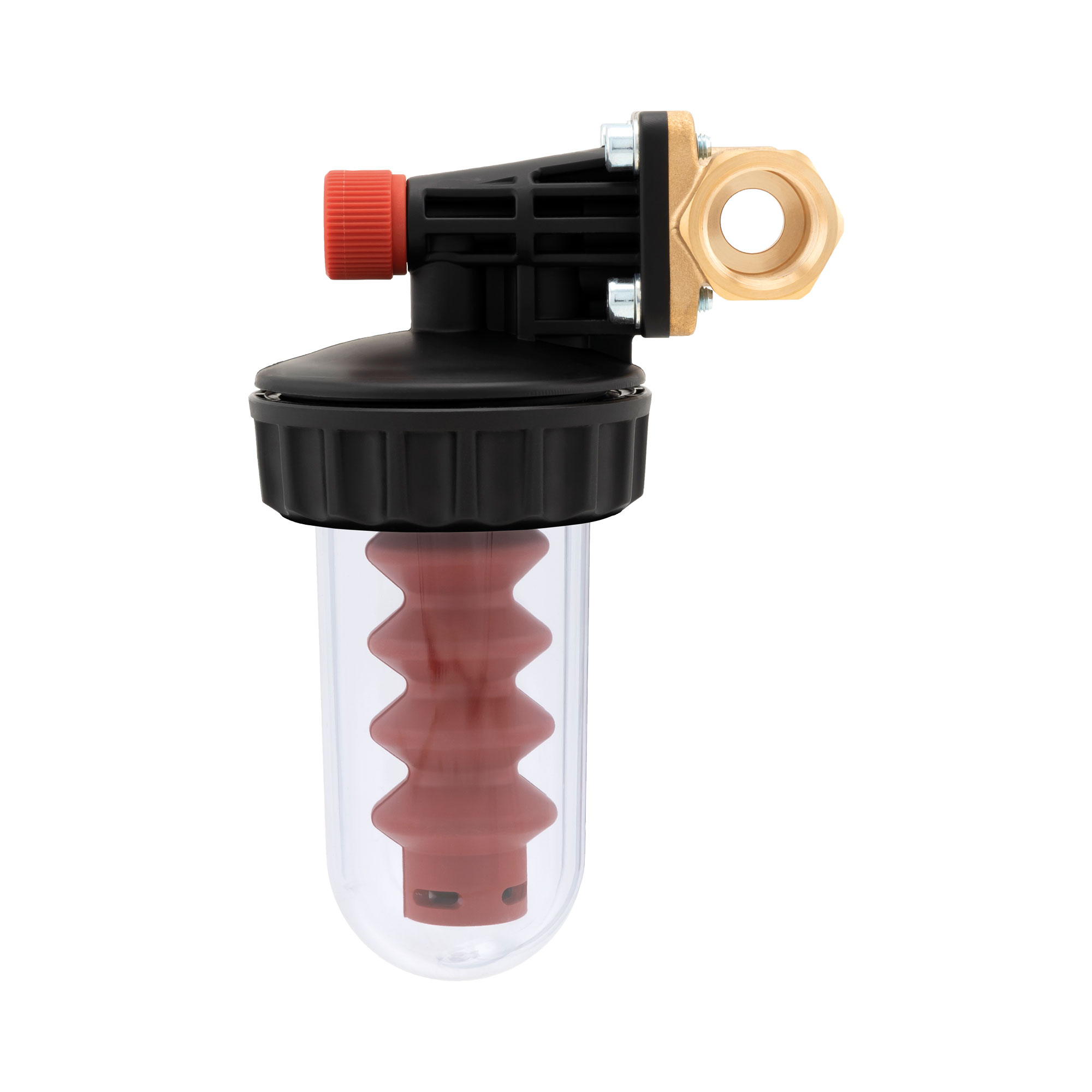
187 – Polyphosphate proportional doser I-Doser

1.  Water quality in central heating systems: polyphosphate dosing units and magnetic dirt separators

One of the most important factors affecting system health is the quality of the water circulating within the heating circuit.

Limescale, impurities and metallic particles can gradually accumulate, reducing heat exchange efficiency and increasing wear on sensitive components.

The consequences may include:

  • Reduced system performance
  • Higher energy consumption
  • Difficulties in system regulation
  • Increased maintenance requirements

For this reason, it is advisable to regularly check the effectiveness of water treatment and protection systems.

In this context, the Itap I-DOSER polyphosphate propotional doser helps limit limescale formation on surfaces exposed to domestic water and on system make-up water.

Learn more about the benefits of this solution in our dedicated I-DOSER article.

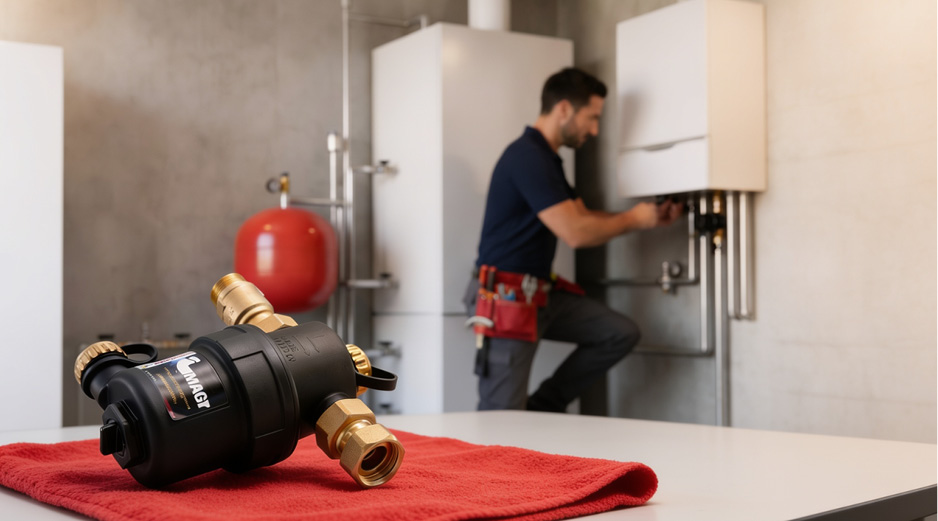
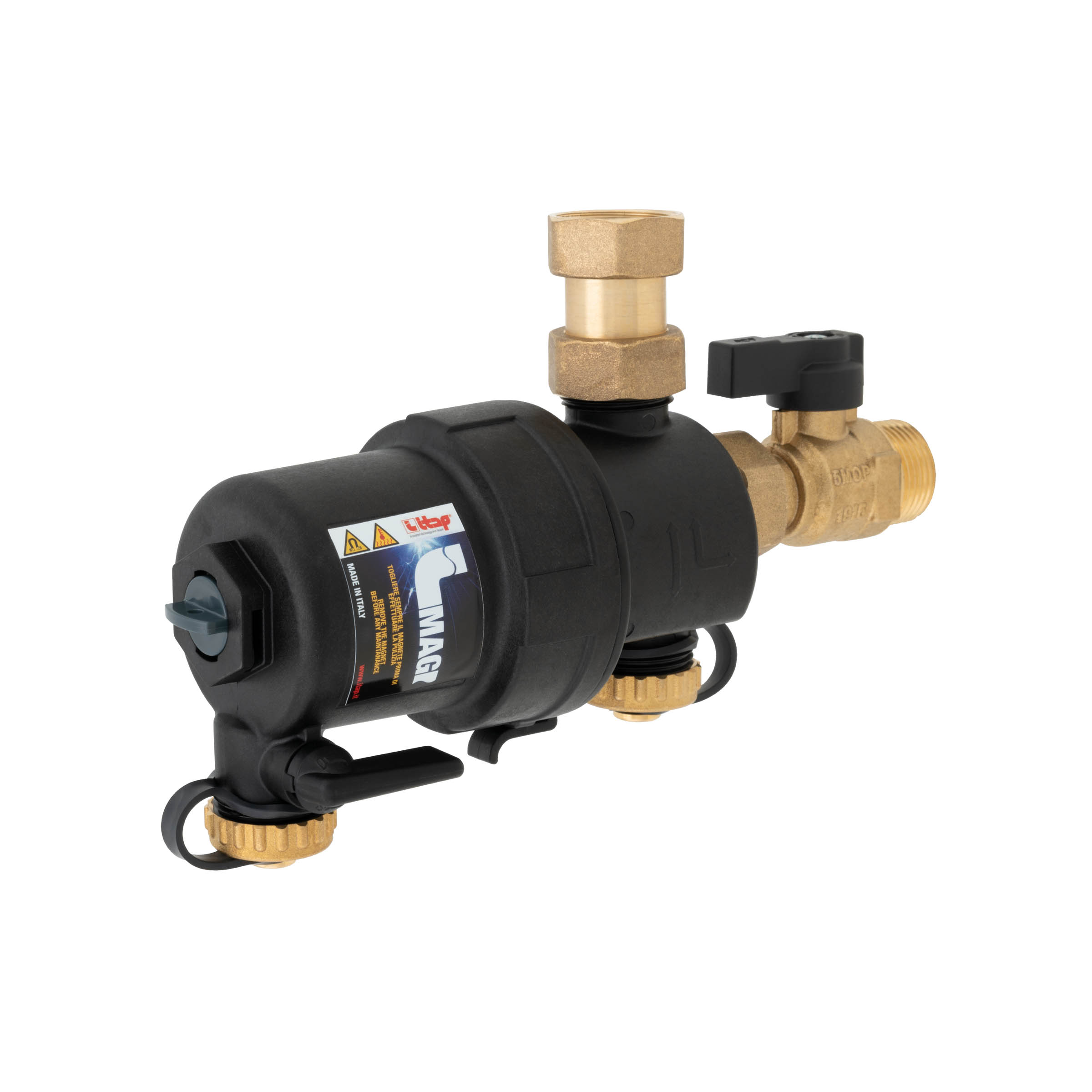
Another key solution is represented by Itap I-MAG magnetic dirt separators, specifically designed to capture sludge, debris and ferrous particles before they reach the most sensitive components of the system.

Among these components is the circulator pump, a fundamental element for proper fluid circulation within the circuit. During periods of inactivity, magnetite deposits and impurities may accumulate inside the pump assembly, progressively affecting its performance.

When the system is restarted, this can result in unusual noise, reduced flow rates or difficulties in maintaining proper circulation, with potential consequences for overall system efficiency.

Regular inspection of magnetic dirt separators and proper management of system impurities help protect the circulator pump and other sensitive components, an aspect that becomes even more important in heat pump installations.

Manutenzione centrale termica - immagine 2

188 – Magnetic compact dirt separator I-Mag

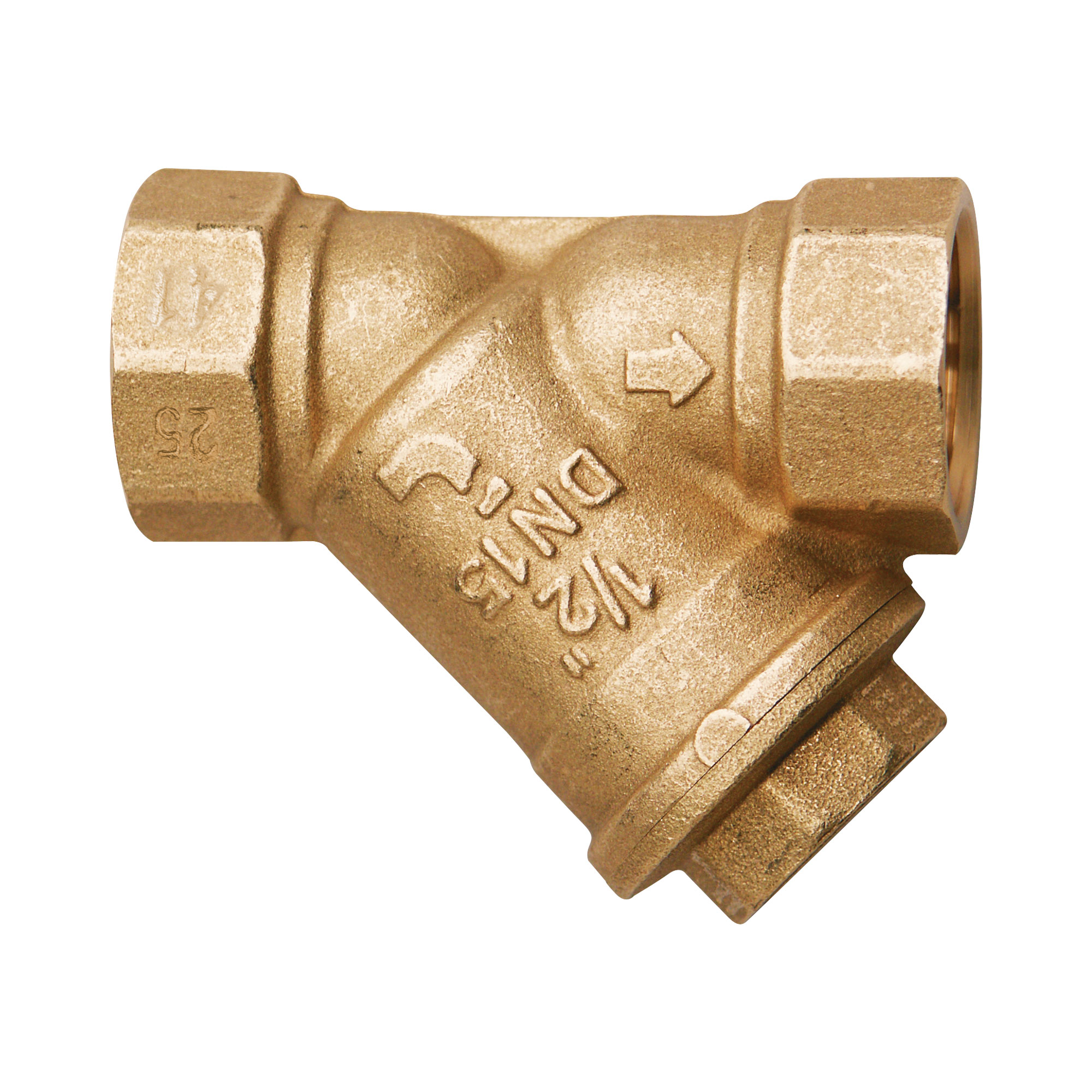
2.  Filtration and impurity control: Y strainers

In addition to water treatment devices, it is important to inspect the filtration systems installed within the heating plant.

Over time, residues and particles may accumulate inside the circuit, increasing pressure losses and affecting system operation.

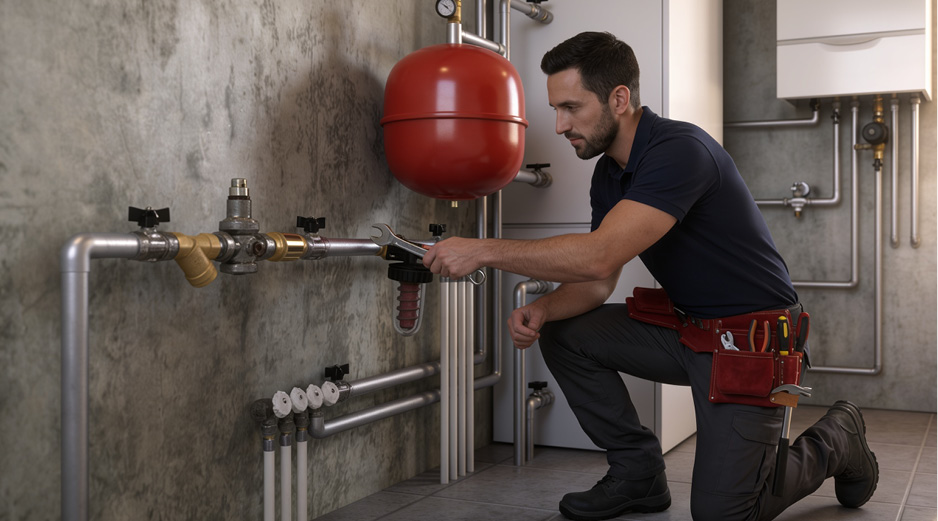
Itap Y strainers provide a simple yet effective solution for capturing impurities within the fluid and protecting downstream components, offering benefits both in new installations and routine maintenance operations.

Manutenzione centrale termica - immagine 3

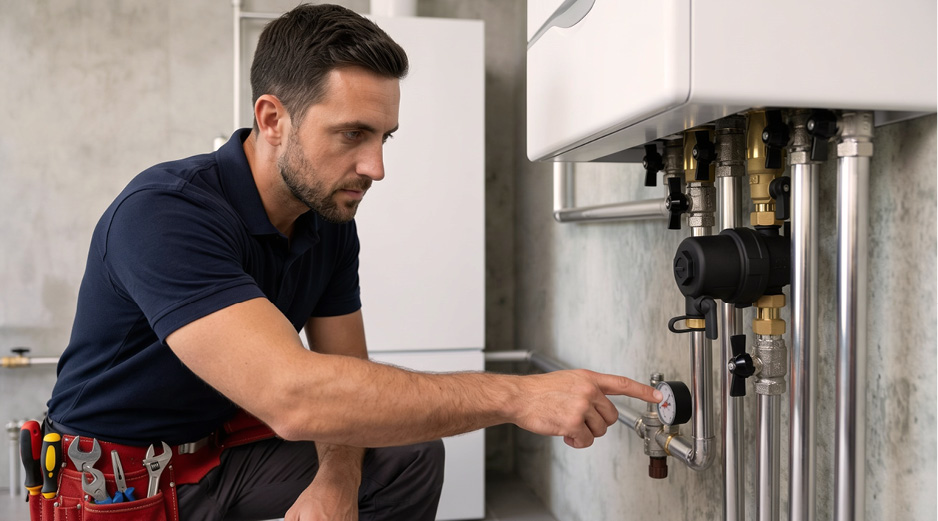
Assembly: 192 – Y-filter with 143MM – Europress pressure reducer with swivel connections.

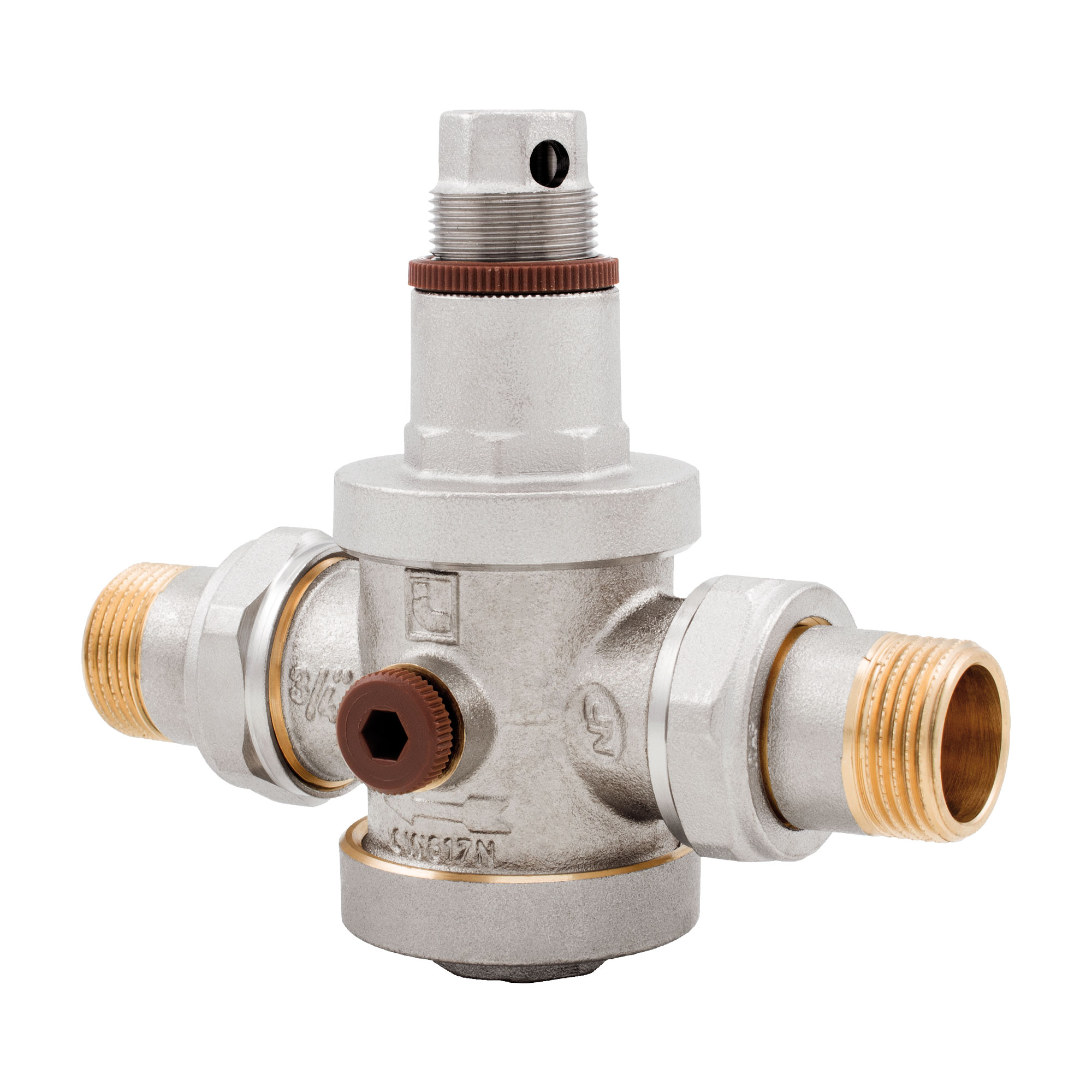
3.  Pressure management in central heating plants: pressure reducing valves and equipment protection

Proper pressure management is another essential factor in ensuring stability and reliability throughout the heating system.

Pressure levels that are too high or too low may negatively affect system operation, increase stress on components and reduce user comfort.

Itap EUROPRESS pressure reducing valves help maintain stable operating conditions by ensuring controlled pressure and protecting connected equipment.

Verifying their correct operation during preventive maintenance contributes to overall system stability and helps reduce the risk of malfunctions during peak operating periods.

Manutenzione centrale termica - immagine 4

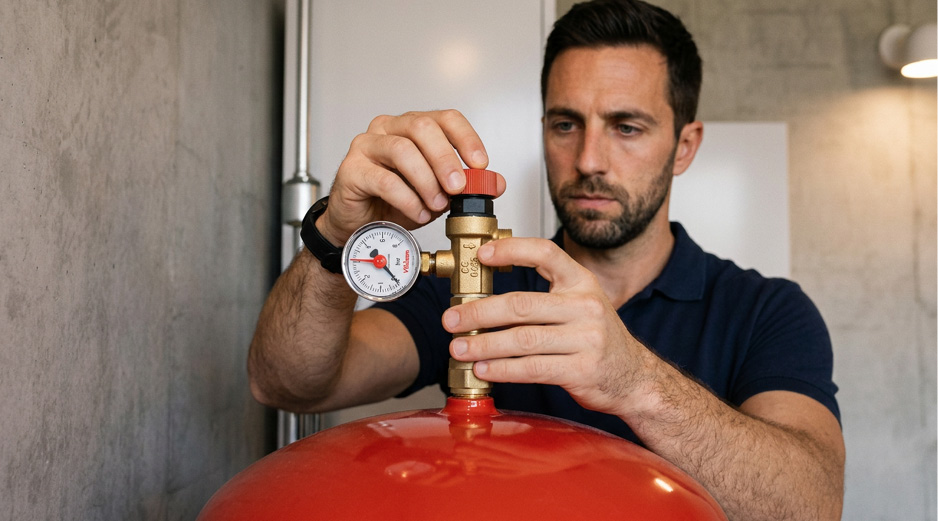
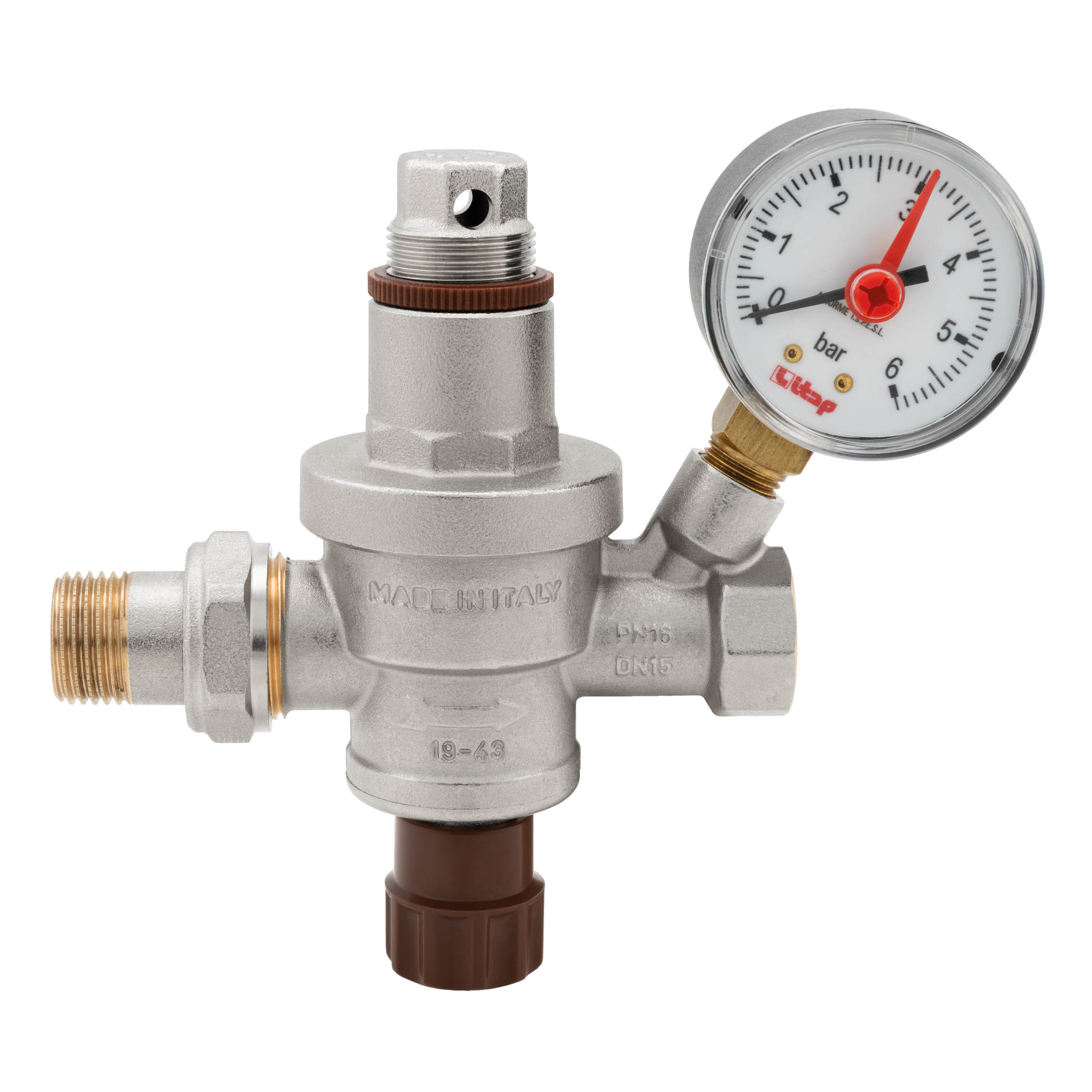
146 – Automatic filling unit

4.  System stability and make-up water control: automatic filling units

Tra i componenti che meritano particolare attenzione figurano anche i gruppi di riempimento automatico Itap.

Il loro compito è mantenere il corretto livello di pressione all’interno del circuito, compensando eventuali variazioni e contribuendo alla stabilità dell’impianto.

Anche se spesso passano inosservati, questi dispositivi svolgono una funzione essenziale per il corretto funzionamento del sistema e dovrebbero essere inclusi nelle verifiche estive alla centrale termica.


Manutenzione centrale termica - immagine 5

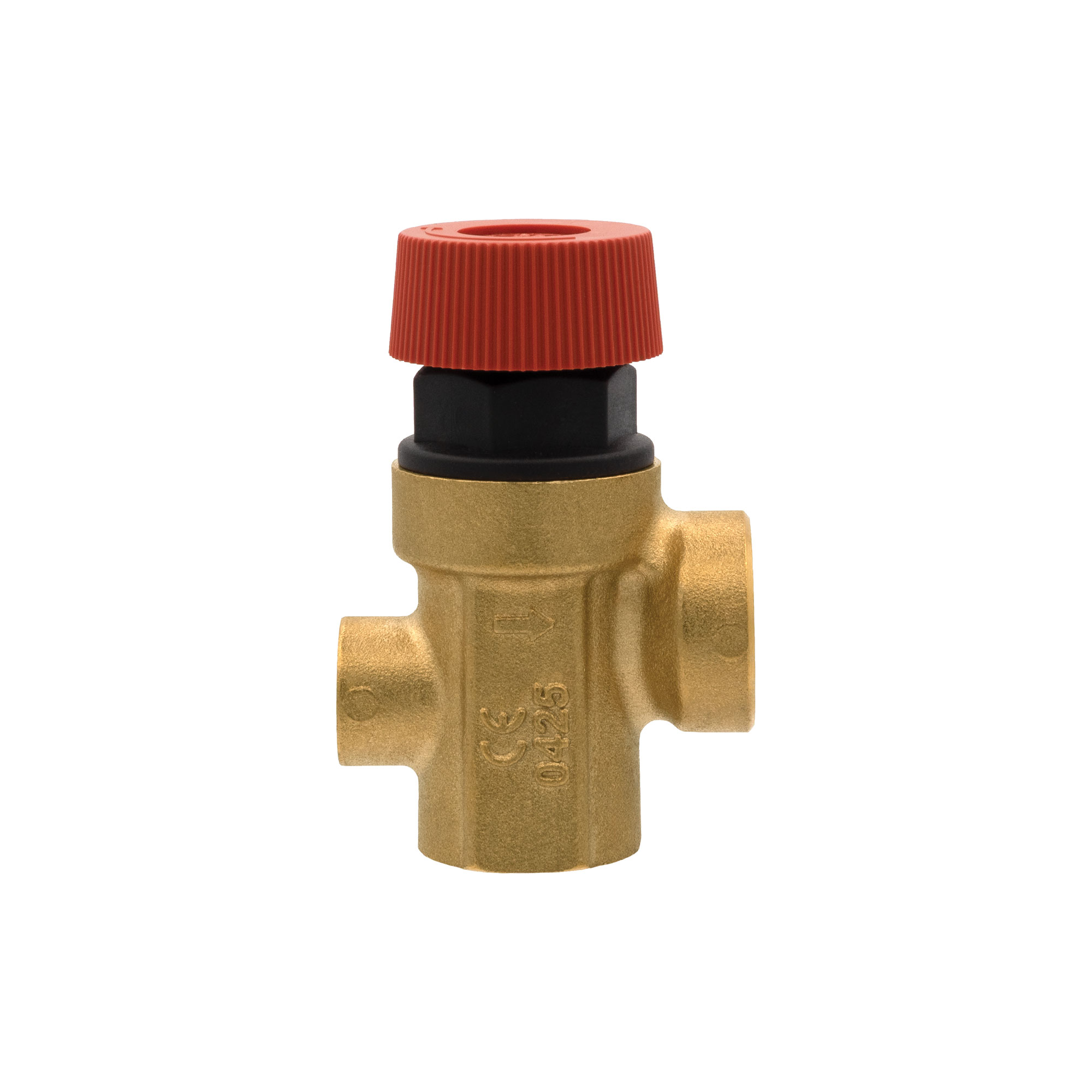
368M – Diaphragm safety relief valve with pressure gauge connection, female/female thread

5.  Central heating plant safety: safety valves, air vents and monitoring instruments

Preparing a heating plant for the next season also means checking all components that contribute to system safety.

Itap diaphragm safety valves help protect the circuit against excessive pressure, while our automatic air vents valves remove trapped air from the system, improving fluid circulation and contributing to stable operation.

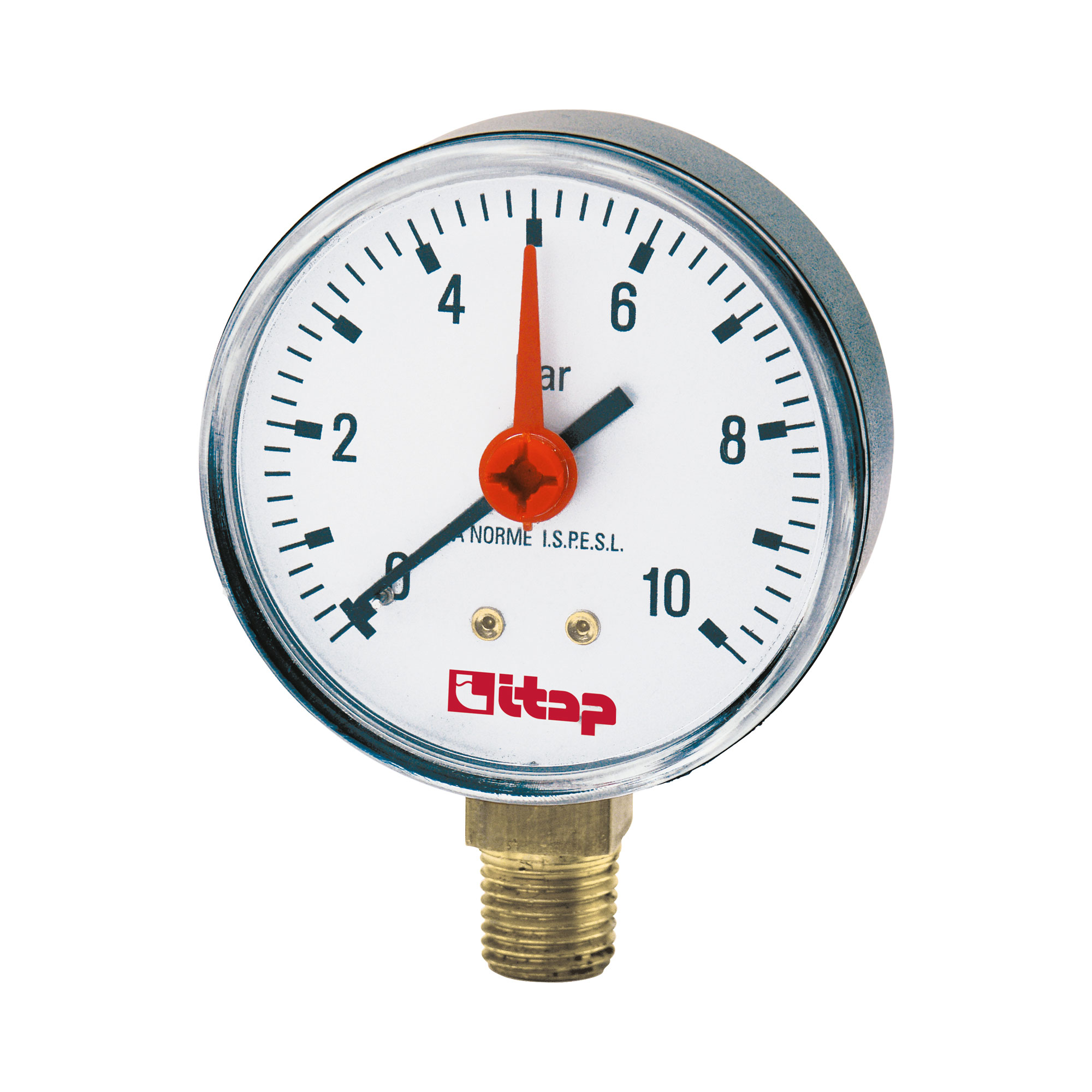
Monitoring instruments also play an important role. Our pressure gauges and thermometers allow continuous monitoring of key operating parameters, helping identify anomalies and support maintenance activities.

Manutenzione centrale termica - immagine 6

362 – Automatic air-vent valve

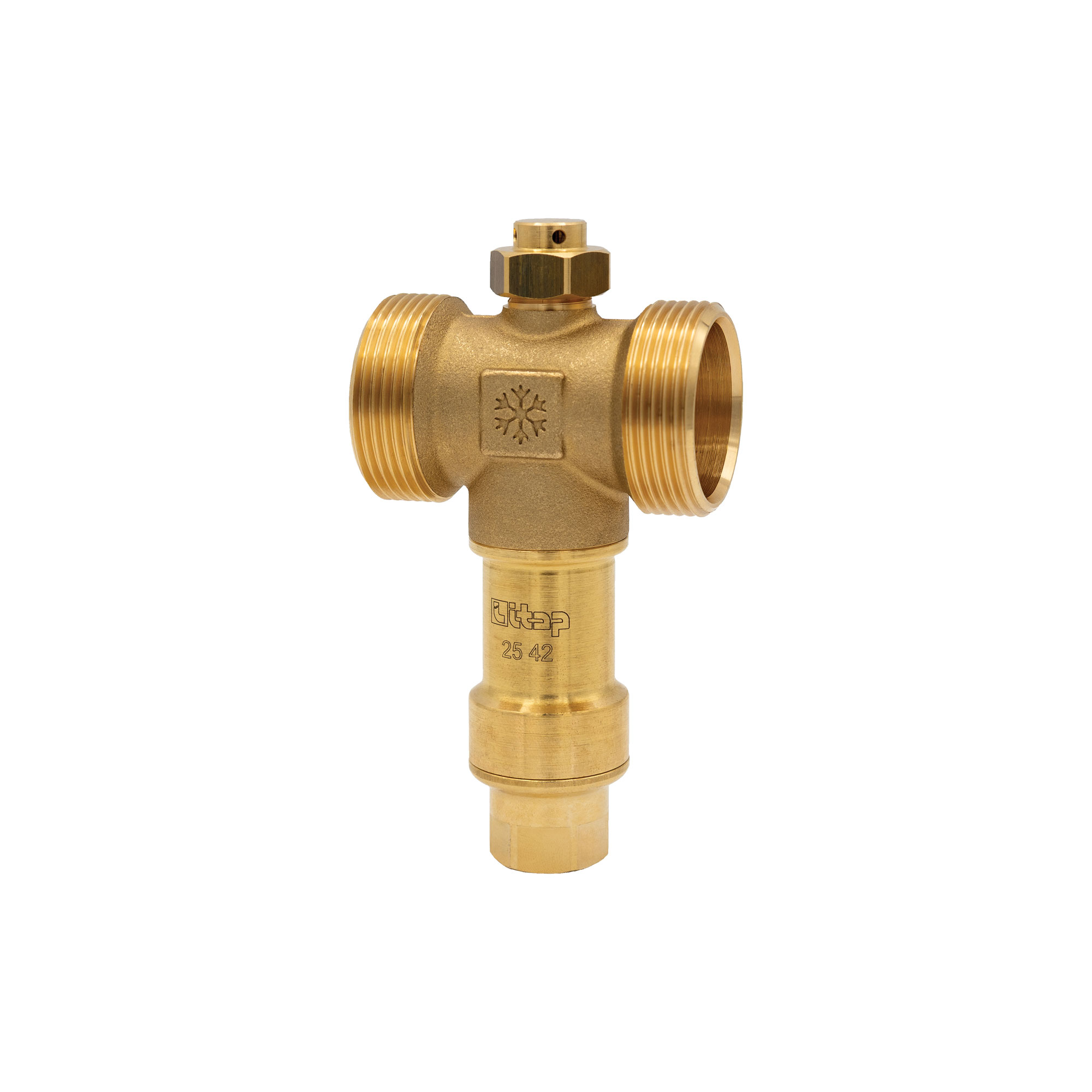
6.  Extra attention for heat pump systems: antifreeze valves

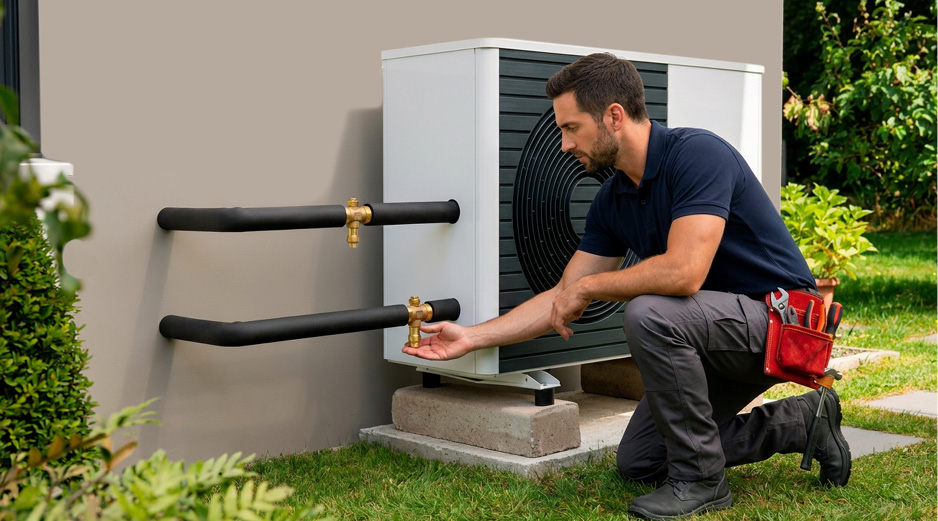
In hydronic heat pump systems, particular attention should be paid to frost protection devices.

Itap antifreeze valves provide an effective solution for protecting circuits against damage caused by frost, helping preserve system integrity even under harsh winter conditions.

Checking their correct operation during the summer months helps ensure greater reliability and operational continuity throughout the heating season.

Would you like to learn more about hydronic heat pumps and their benefits? Read our dedicated article.

Manutenzione centrale termica - immagine 7

476MM – Antifreeze valve for heat pumps

Behind every component: the experience of a reliable partner

When you need to select a component for a central heating plant, performance specifications are only part of the equation. For installers and distributors the reliability, product consistency and availability are just as important as technical performance.

For more than 50 years, Itap has been developing solutions for the plumbing, heating and HVAC industry through a combination of expertise, technological innovation and direct control over production processes.

Our in-house design capabilities, automated manufacturing processes and rigorous quality controls allow us to produce components designed to deliver reliable performance and meet the needs of industry professionals.

This commitment is reflected in a range of solutions for central heating applications, designed to operate reliably within the system and support installers and distributors in their day-to-day activities.

Because the efficiency of a heating system depends not only on the components installed, but also on the expertise and quality behind them.


Discover Itap solutions for central heating plants

Would you like to learn more about Itap solutions for central heating plant protection, control and management?

Discover our complete range of components for heating plants, filtration, pressure control, safety and system monitoring, or contact our team for further information.


FAQ 

Why should central heating plant maintenance be scheduled during summer?

For installers and maintenance professionals, summer is the ideal time to perform preventive checks without affecting system operation during peak demand. It allows key components to be inspected and any necessary corrective actions to be planned before the heating season begins.

Which components should be checked before restarting a central heating system?

Before seasonal start-up, it is recommended to inspect components related to protection, regulation and safety, including Y strainers, magnetic dirt separators, polyphosphate doser, automatic filling units, pressure reducing valves, safety valves, air vents valves, pressure gauges and thermometers.

When should a magnetic dirt separator be installed or inspected?

Magnetic dirt separators are particularly beneficial in systems prone to magnetite formation, sludge accumulation and metallic debris, especially where circulator pumps, heat exchangers, condensing boilers or hydronic heat pumps are installed. Summer maintenance is the ideal time to check their condition and cleanliness.

What role do pressure reducing valves and automatic filling units play?

Pressure reducing valves and automatic filling units help maintain hydraulic stability by ensuring controlled operating conditions and reducing stress on connected components. Their correct operation contributes to system reliability, safety and long-term durability.

How can preventive maintenance create additional value?

Preventive maintenance can be enhanced by adopting a coordinated approach that includes filtration, water treatment, pressure regulation, filling systems, safety devices and monitoring instruments. This allows installers and distributors to offer a more complete and professional solution for central heating plants and hydronic systems.

Höhepunkte