10 12 月 2024
A dedicated training program focused on soft skills is strengthening our people management culture across departments.
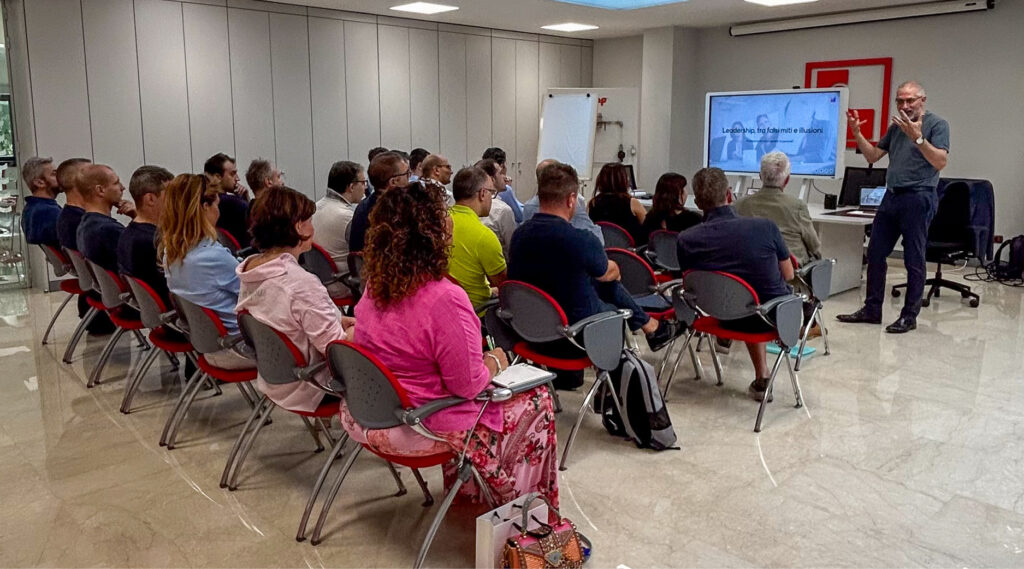
At Itap, we believe that professional growth isn’t just about technical skills. That’s why, starting in September, we launched a new training initiative for our department managers.
The goal? To develop the soft skills needed for effective and human-centered team leadership.
This program began with our department heads and was designed to provide practical tools to better navigate the everyday dynamics of teamwork and leadership (consciously and competently).
The program includes regular sessions, practical exercises between meetings, and ongoing interaction with the trainer.
Key focus areas include:
The aim of this program is to foster a coherent leadership style: one that can flex and adapt to the challenges of today’s work environment.
Participants are actively engaged in exploring and refining their leadership roles, gaining awareness, structured methods and practical tools.
Key expected outcomes include:
Investing in soft skills also brings tangible organizational benefits. Over the medium term, the project is expected to:
At Itap, training isn’t just an add-on: it’s a strategic driver to grow skills, strengthen company culture and support the evolution of work.
This management-focused initiative is part of a broader vision: investing in people means empowering the entire organization.
Learn more about our company and the commitment to quality and certification that drives every step of our production process.
Why did Itap choose to invest in soft skills training?
To strengthen cross-functional skills among managers, improve team management, and create a more collaborative, motivating and effective work environment.
What are the key areas covered in the program?
The course covers assertive communication, emotional intelligence, negotiation, team leadership, complex situations and interpersonal dynamics.
What benefits are expected from this initiative?
Higher motivation, fewer conflicts, stronger team cohesion, better productivity and greater employee loyalty.
