2026年4月8日
A guide to the new European drinking water directive: objectives, deadlines, materials and future-ready solutions
The plumbing and heating sector is undergoing a regulatory evolution that will have a direct impact on materials, products and system design.
At the center of this transformation is Directive (EU) 2020/2184, known as the Drinking Water Directive (DWD). It introduces a broader approach to drinking water safety, extending the focus not only to water quality, but also to the components of systems that may affect it.
The European drinking water directive introduces a more comprehensive and structured approach: it no longer focuses solely on water control, but considers the entire supply chain, from source to point of use.
Key changes include:
This last aspect is the most significant innovation for the sector: for the first time, the European drinking water directive defines common EU rules for materials used in system components.
The implementation of the Drinking Water Directive is already underway, but the key date for the industry is December 31, 2026.
From this date, the new European requirements for materials and products in contact with drinking water will fully apply, including components such as valves, fittings and distribution systems.
The new framework includes:
These elements were defined in the delegated and implementing acts published by the European Commission in 2024.
In Italy, the directive has been implemented through Legislative Decree 18/2023, later updated by Legislative Decree 102/2025.
The Italian regulatory framework includes a transition period:
A key technical reference for this transition is the 5 μg/l lead limit, one of the most relevant parameters introduced by the Drinking Water Directive.

One of the most important aspects of the directive concerns materials, especially metal alloys used in components.
The new European system is based on the EU Positive Lists (EUPL), which define the substances and compositions allowed for contact with drinking water.
These lists were developed from previous technical lists created by the 4MS group (Germany, France, the Netherlands, United Kingdom), which still represent a key technical reference for the sector.
Among the alloys most aligned with the new regulatory framework are:
These alloys have a reduced lead content and are suitable for meeting the new European requirements, particularly regarding lead limits.
During the transition period, some of the traditional alloys are still widely used, including:
In this regulatory context, anticipating the requirements of the DWD is a strategic advantage.
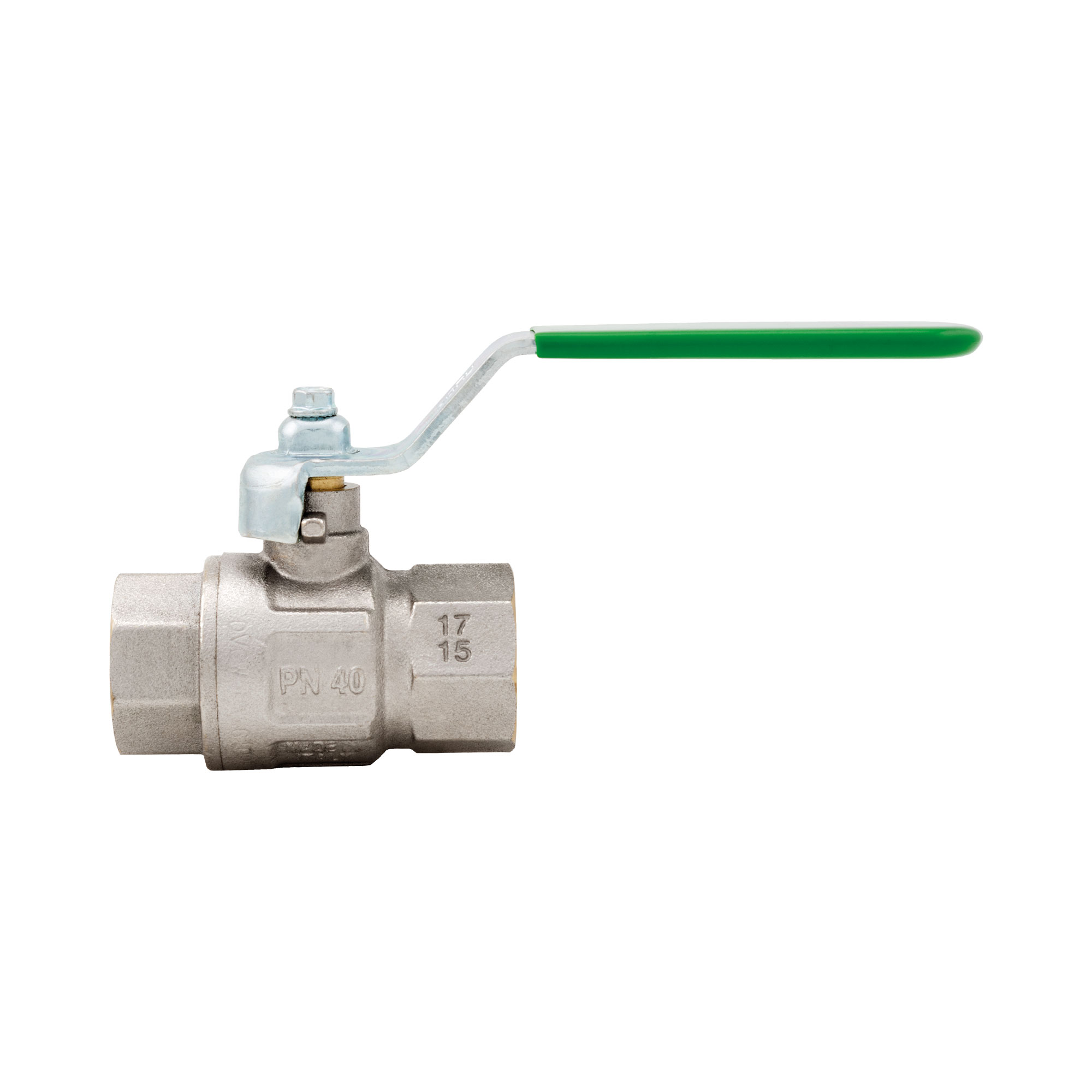
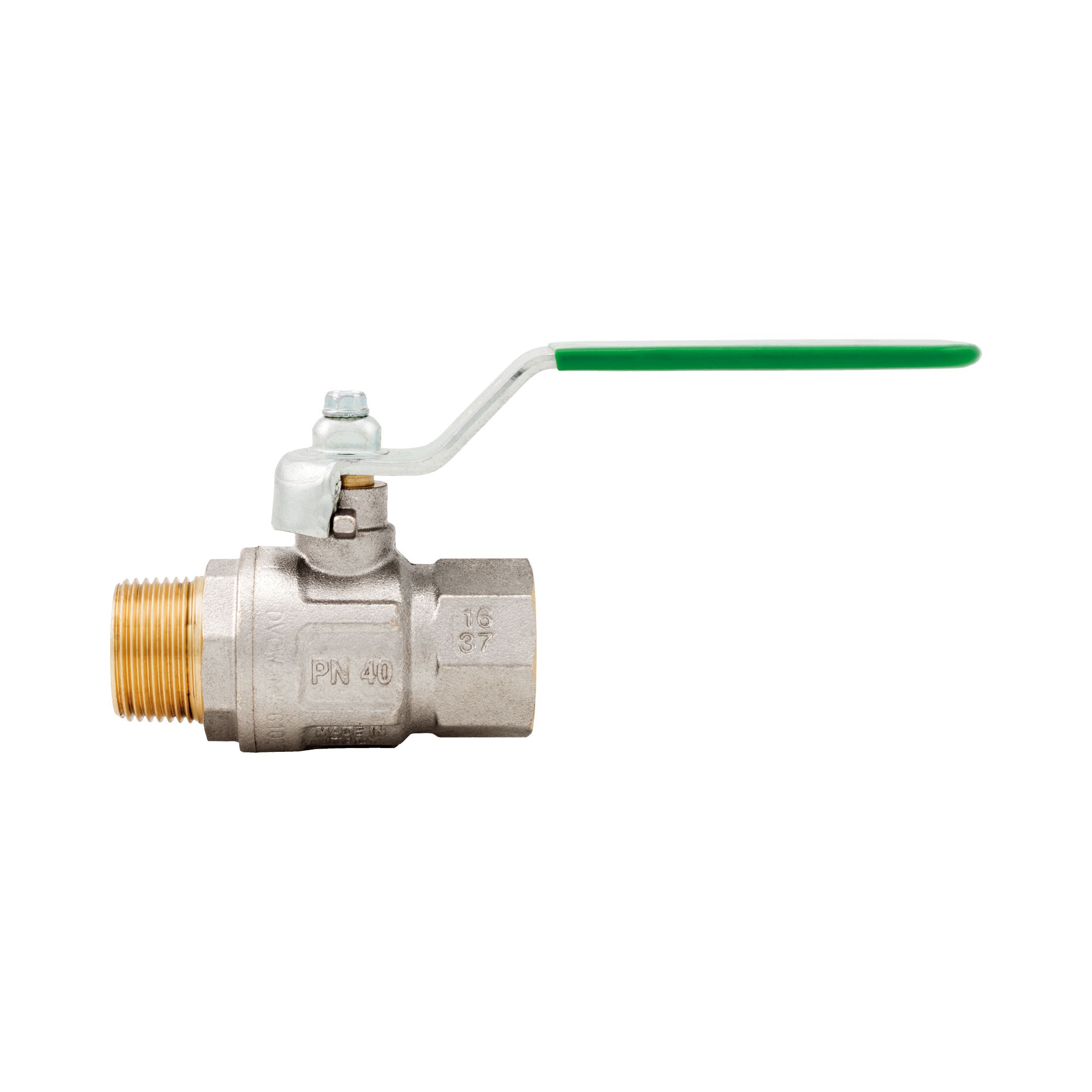
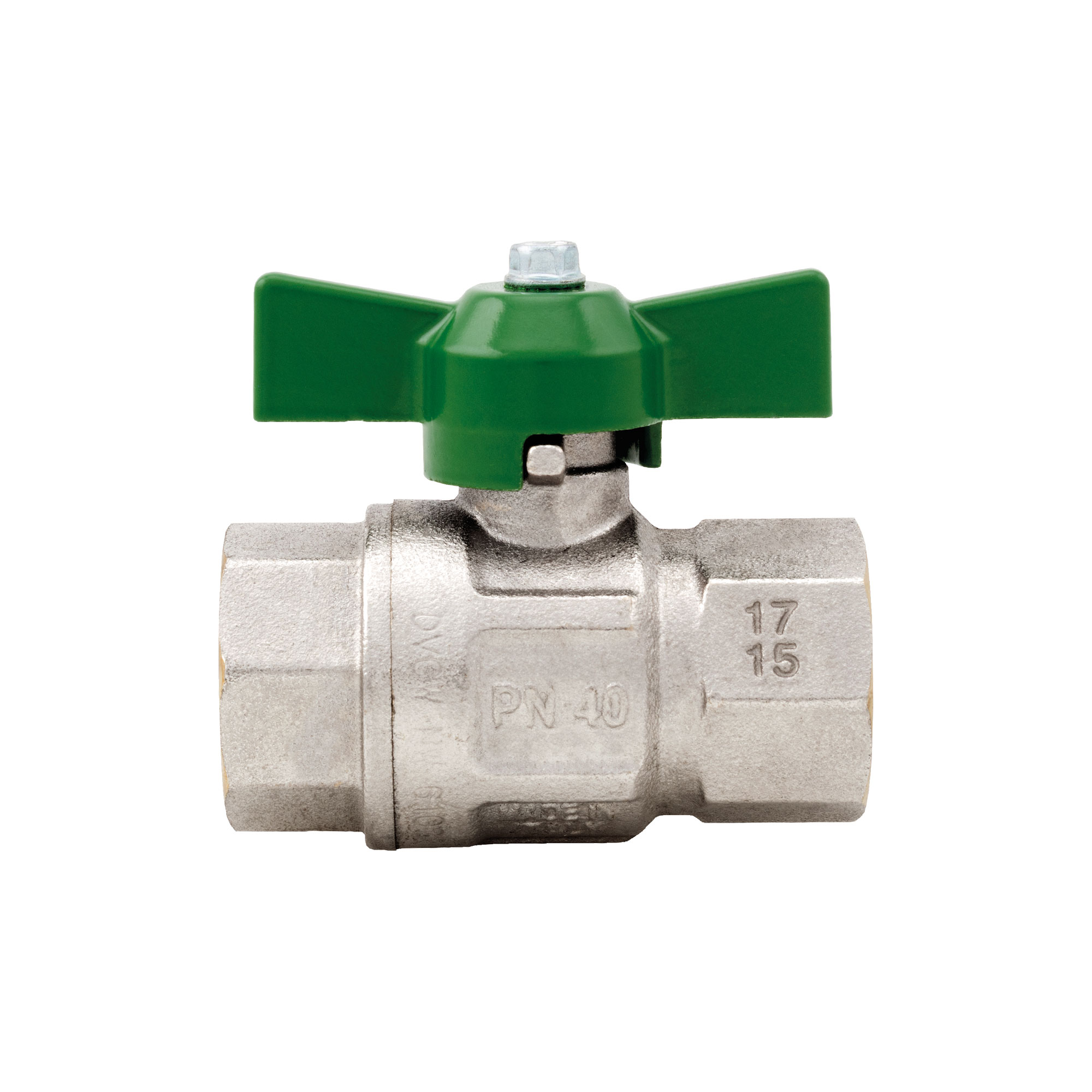
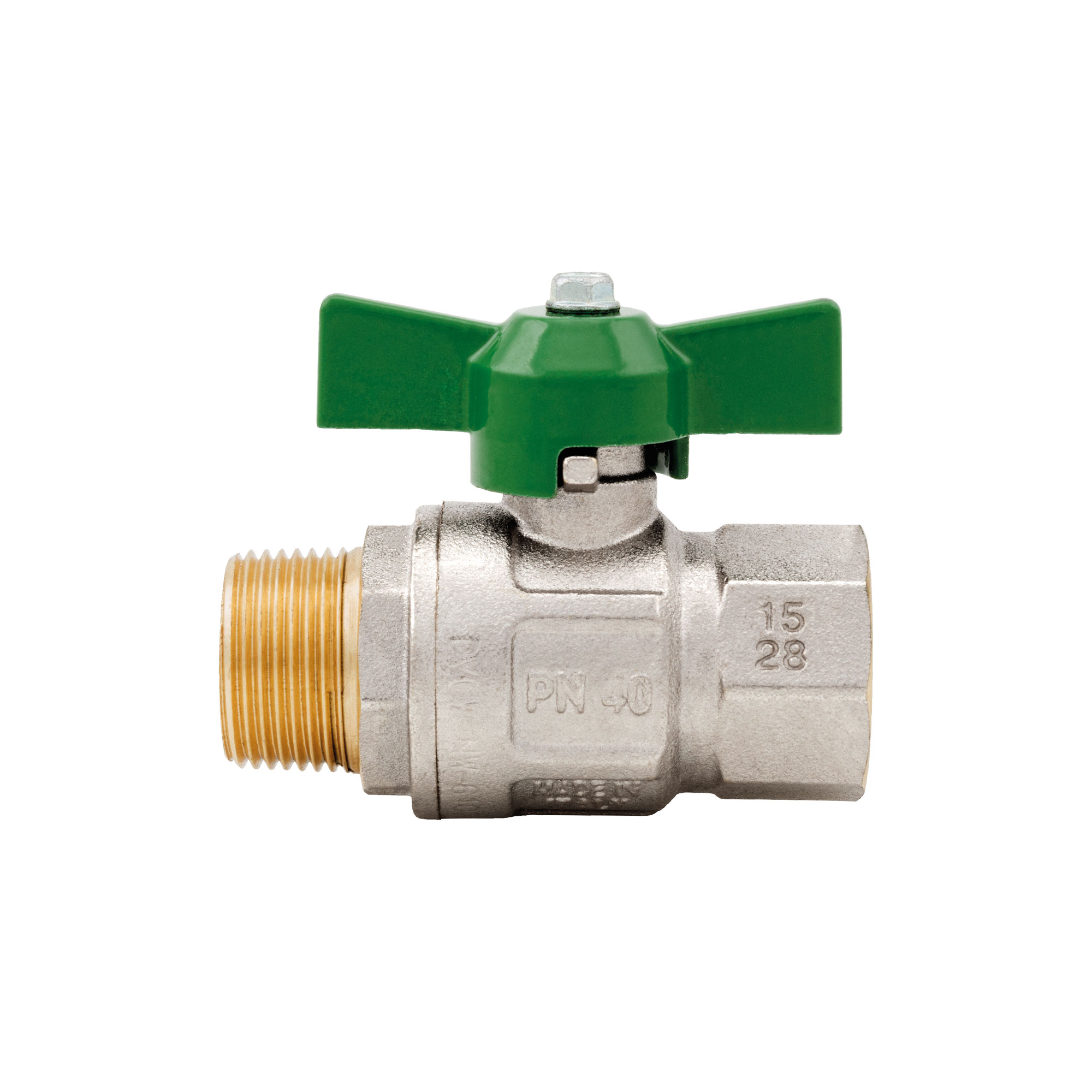
For this reason, at Itap we have updated our Green DVGW ball valves range, replacing CW617N with CW510L.
This evolution is combined with our anti-legionella ball, a distinctive feature that helps improve drinking water safety.
The result is a valve that combines:
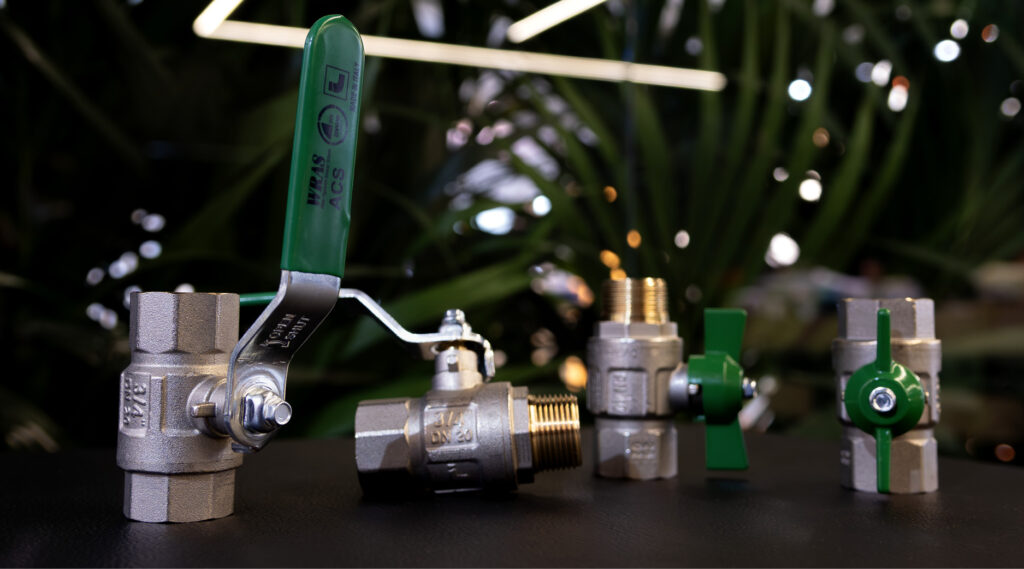
The Drinking Water Directive represents a major step forward for the plumbing and heating sector, introducing a more structured and harmonized European system.
For industry professionals, this means:
In a context where regulations evolve rapidly, choosing future-ready materials means reducing risks and ensuring long-term continuity.
Would you like more information about our products or regulatory developments in the sector? Contact us to receive support from our team.
And if you want to stay up to date with Itap news, subscribe to our newsletter to receive insights, updates and content dedicated to the plumbing and heating industry.
The Drinking Water Directive (DWD) is Directive (EU) 2020/2184, the European regulation governing water intended for human consumption. It introduces a risk-based approach and defines requirements for materials and products in contact with drinking water.
The key date is December 31, 2026. From this moment, European requirements for materials and products in contact with drinking water—including valves and fittings—will fully apply.
The EU Positive Lists define which materials and substances can be used in contact with drinking water. They are based on the technical lists developed by the 4MS group and form the foundation of the new harmonized European system.
Alloys such as CW509L, CW510L and CW511L are aligned with the new regulatory framework due to their reduced lead content.
Traditional alloys like CW617N are not immediately banned, but their use increasingly depends on compliance with lead migration limits.
In Italy, the directive was implemented with Legislative Decree 18/2023 and updated in 2025.
A transition period is in place:
The 5 μg/l lead limit is one of the most critical parameters introduced by the directive.
It directly impacts material selection and is one of the main drivers behind the shift toward low-lead alloys.