14 de mayo de 2026

Hydronic heat pump: how to maintain efficiency and control

Comfort starts with a system working in balance

Indoor comfort is something people experience every day. It depends on the right balance between temperature, heat distribution and continuous system performance.

For this reason, the hydronic heat pump is becoming an increasingly popular solution for heating and cooling buildings. Its ability to operate at low temperatures and integrate with renewable energy sources makes it highly efficient in terms of energy consumption.

However, achieving high performance does not depend only on the heat pump itself. The entire hydronic system plays a key role.

Hydronic heat pump system: How the hydraulic circuit works

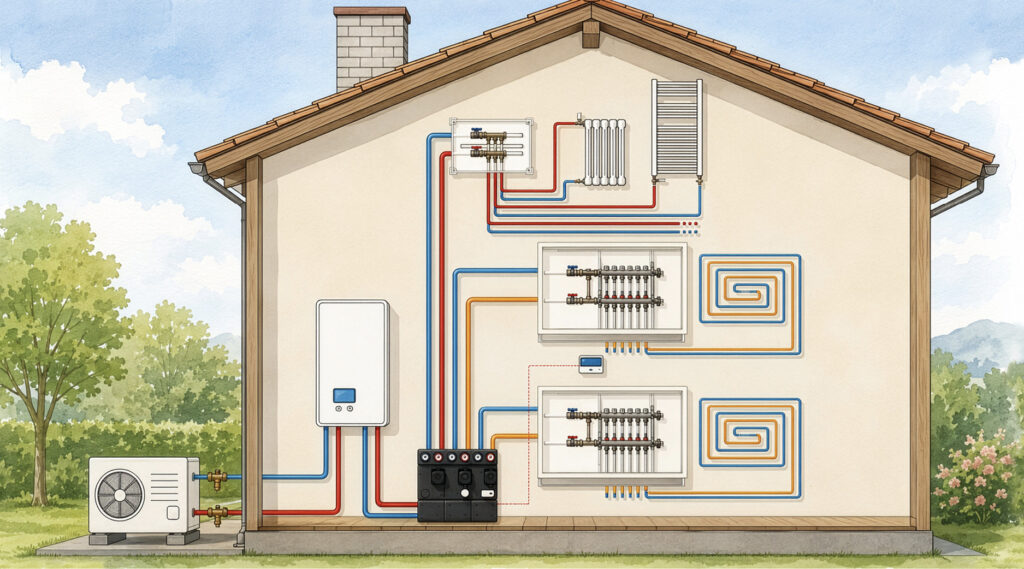
In a hydronic heat pump system, the thermal energy is transferred to water, which becomes the medium used to distribute heating or cooling throughout the building.

The hydraulic circuit connects the heat pump to the system terminals, such as:

  • underfloor heating systems
  • fan coil units
  • low-temperature radiators

Within this system, correct flow and temperature management are essential. If water distribution is not properly balanced, the heat pump operates outside optimal conditions, directly affecting energy consumption, comfort and system lifespan.

This is why hydraulic design is a crucial step in creating efficient HVAC systems.

Pompe di calore idroniche - immagine 1

Efficiency and long-term reliability

A hydronic heat pump system is designed to operate continuously, adapting to outdoor conditions and indoor comfort requirements.

The quality of the hydraulic system directly impacts long-term performance. Proper distribution, effective balancing and adequate protection help to:

  • maintain heat pump efficiency
  • reduce energy consumption
  • limit maintenance interventions

Let’s see how Itap solutions support these important aspects.

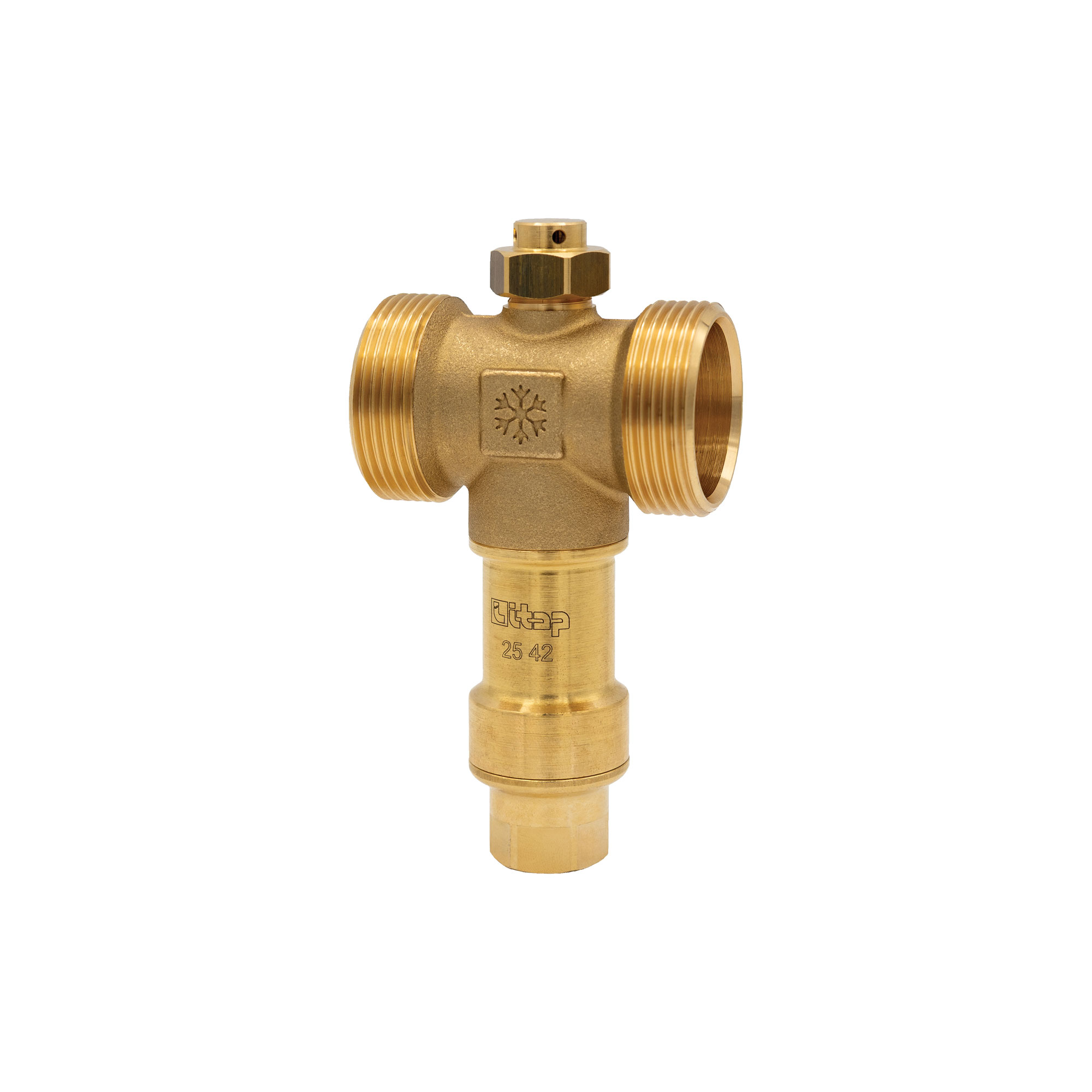
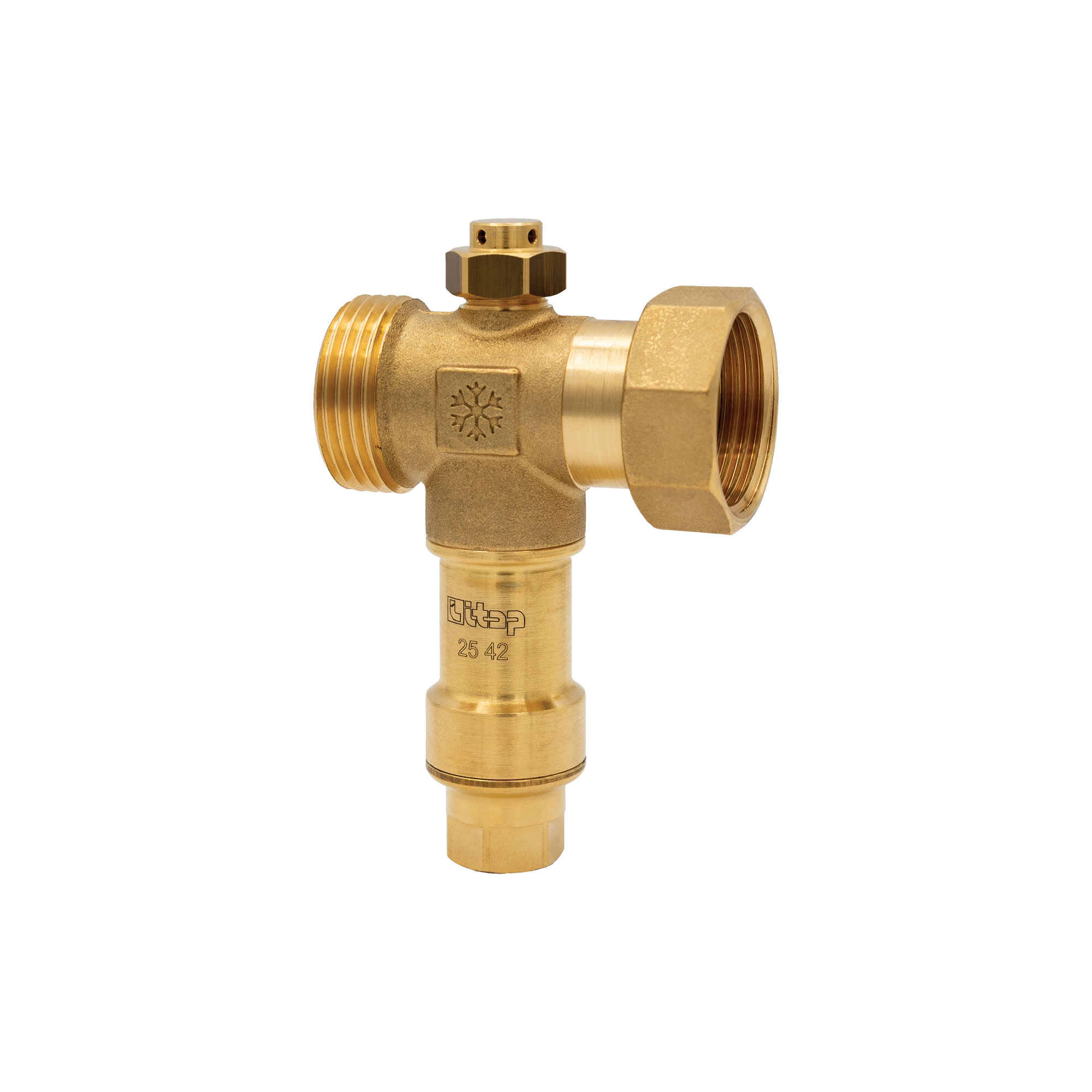
Maintaining a proper protection: antifreeze valves

In heat pump systems, especially those with outdoor units, freezing temperatures can become a serious issue.

When temperatures drop, the water inside the hydraulic circuit may freeze, causing damage to pipes, components and compromising system operation.

Our Itap antifreeze valves automatically activate when a critical temperature threshold is reached, draining water from the circuit and preventing ice formation.

This helps to:

  • protect the hydraulic circuit
  • avoid damage to components
  • ensure continuous operation even in harsh weather conditions

Pompe di calore idroniche - immagine 2

Uniform distribution and regulation: stainless steel pre-assembled manifolds

Water distribution is where the balance of a hydronic heat pump system is created. Each circuit must receive the correct flow rate to ensure consistent comfort and performance.

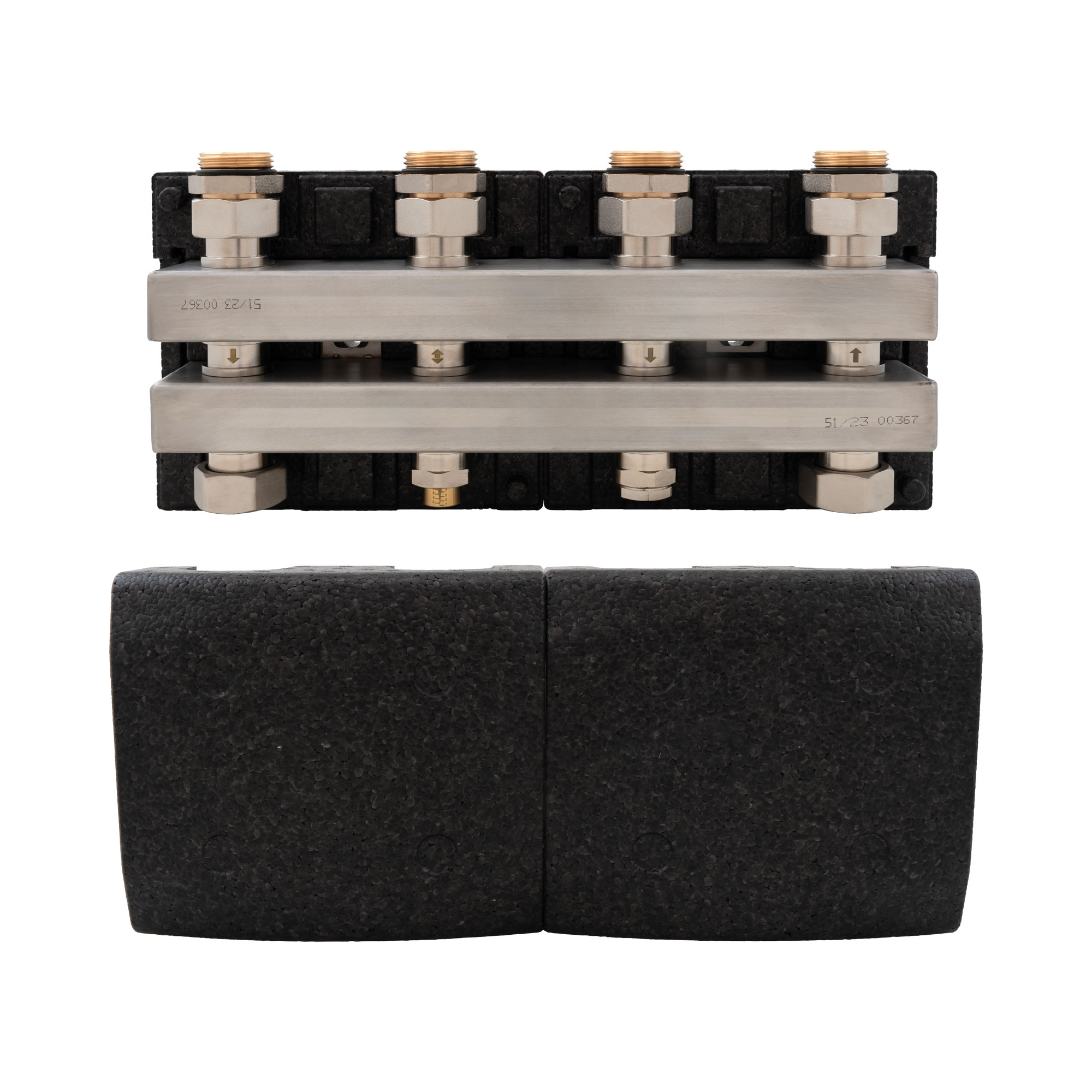
Manifolds distribute the fluid across different circuits and allow the system to be managed in an organized and controlled way. This makes it possible to regulate the installation and maintain stable operating conditions over time.

Our best solution is the Itap stainless steel pre-assembled manifolds, designed for precision and reliability.

Thanks to integrated flow meters and regulation devices, they allow direct control of each individual circuit and improve water distribution management.

The main advantages include:

  • precise flow regulation
  • faster installation
  • a cleaner and easier-to-manage system

Pompe di calore idroniche - immagine 4

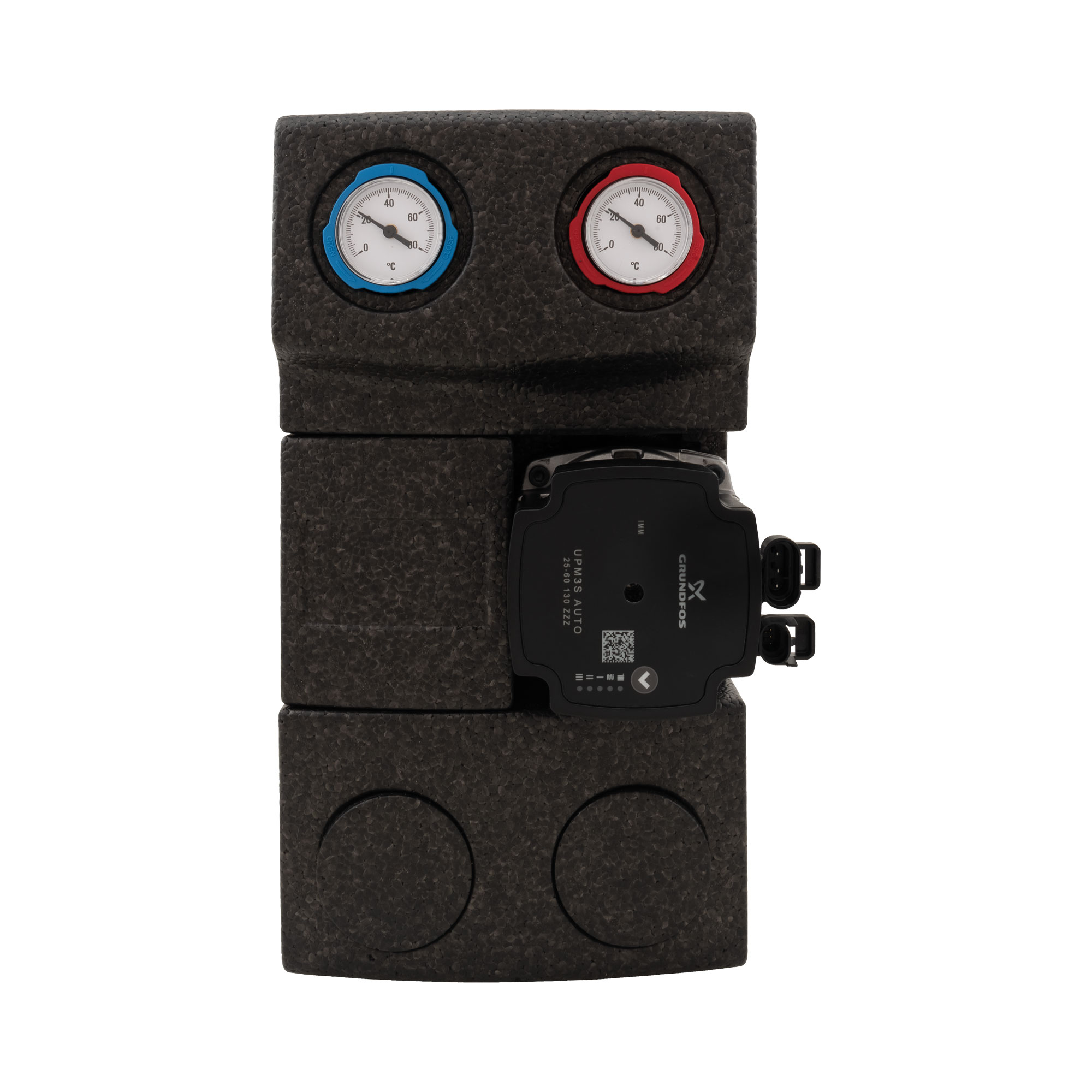
Management and balancing: distribution units and manifolds

In a hydronic heat pump system, proper balancing is essential to ensure consistent performance throughout the building.

When water distribution is not optimized, different zones may heat or cool unevenly, increasing energy consumption and reducing comfort.

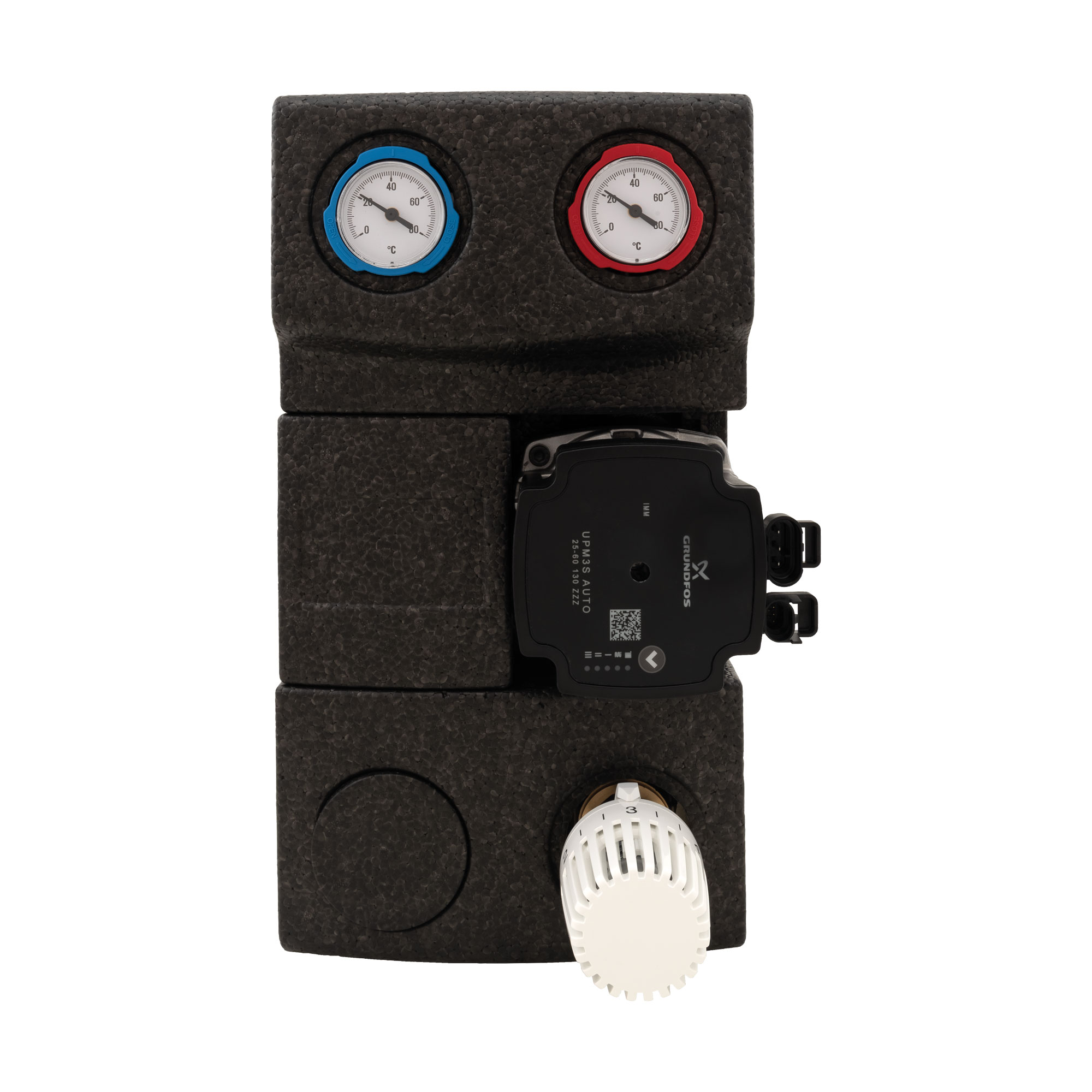
Itap distribution units and distribution manifolds help organize hydraulic circuits efficiently, simplifying system control and regulation.

These solutions allow you to:

  • manage different zones effectively
  • balance flow rates correctly
  • simplify maintenance and inspection operations

As a result, the system becomes more stable, efficient and easier to control over time.

Pompe di calore idroniche - immagine 3

Hydronic heat pumps and the future of HVAC systems

Hydronic heat pumps are becoming increasingly important in modern HVAC installations. Their performance will depend more and more on the quality of the hydraulic system supporting them.

Designing the distribution system correctly, choosing reliable components and including proper protection devices means creating efficient systems built to last.


Looking for a more efficient hydronic heat pump system?

Discover all Itap solutions for hydronic heat pump systems or contact us for technical support in choosing the most suitable components for your installation.

Subscribe to our newsletter to stay updated on products, applications and industry trends.


FAQ 

What is a hydronic heat pump?

It is a thermal system that exchanges energy with the hydronic system via a closed circuit: it produces hot water for heating and, in reversible systems, chilled water for cooling.

How does a hydronic heat pump work?

It transfers thermal energy to the plant’s water, which distributes heat or cooling to the rooms via systems such as radiant floors and fan coils.

Which components are essential in a hydronic heat pump system?

Distribution manifolds, balancing systems, regulation devices, and antifreeze valves are essential to ensure efficiency, safety, and reliable operation.

Why is system balancing important?

Correct balancing ensures even energy distribution, improving comfort, system performance, and energy efficiency.

When should an antifreeze valve be installed?

It is recommended in systems with outdoor units exposed to low temperatures to prevent freezing inside the hydraulic circuit.

What are the advantages of stainless steel manifolds?

They offer high corrosion resistance, long service life, and higher thermal fluid flow capacity compared to traditional brass manifolds.

Productos destacados